Botox Injection Side Effects You Should Know
Botox has become one of the most popular cosmetic treatments worldwide, especially for reducing wrinkles and achieving a smoother appearance. Many people consider it for aesthetic enhancement or medical purposes such as reducing excessive sweating or muscle tension. If you are researching botox injection in dubai, it is important to understand that while the procedure is widely performed and generally considered safe, it still carries potential side effects that every individual should be aware of before making a decision.In this article, we will explore the common, uncommon, and rare side effects of Botox, along with what to expect during recovery and how to reduce risks for the best possible outcome.
What Is Botox and How Does It Work?
Botox is a purified protein that temporarily relaxes targeted muscles. It works by blocking nerve signals to specific muscles, preventing them from contracting. This effect helps soften wrinkles and fine lines, particularly around the forehead, eyes, and mouth.Beyond cosmetic use, Botox is also used for various medical conditions such as migraines, muscle spasms, and excessive sweating. The results are not permanent, typically lasting three to six months, after which the treatment can be repeated if desired.Although the procedure is quick and minimally invasive, it still involves injecting a biological substance into the body, which means side effects can occur.
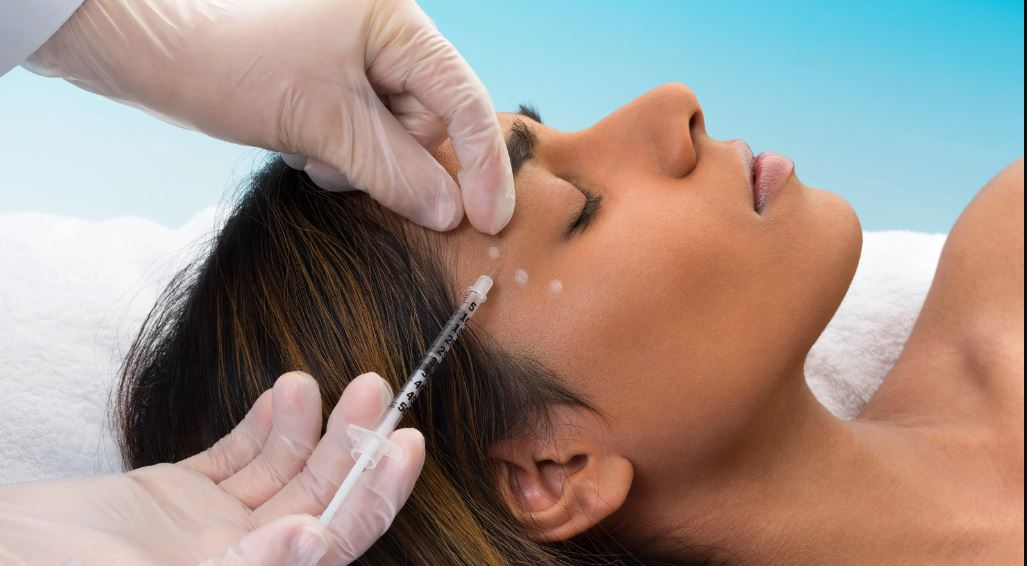
Common Side Effects of Botox
Most people experience mild and temporary side effects after Botox injections. These are usually localized to the injection area and resolve within a few hours or days.
1. Redness and Swelling
One of the most common reactions is slight redness or swelling at the injection site. This is a natural response of the skin and typically fades quickly without any treatment.
2. Bruising
Small bruises may appear due to tiny blood vessels being affected during the injection process. These bruises are generally mild and can be easily covered with makeup once the skin has settled.
3. Mild Pain or Discomfort
Some individuals may feel slight pain, pressure, or a pinching sensation during or after the injection. This discomfort is usually short-lived.
4. Headache
A temporary headache can occur after Botox, especially when it is used in the forehead area. This side effect usually resolves within a day or two.
Less Common Side Effects
While not everyone experiences these, some individuals may notice additional temporary effects that require a bit more attention.
1. Drooping Eyelid or Brow
In rare cases, Botox may spread slightly beyond the intended area, leading to temporary drooping of the eyelid or eyebrow. This condition is not permanent and typically improves over time.
2. Uneven Facial Expression
If the injection affects muscles unevenly, it can lead to a slightly asymmetrical appearance. This is usually mild and corrects itself as the Botox gradually wears off.
3. Dry Eyes or Excessive Tearing
When Botox is used near the eye area, it may temporarily affect tear production, causing either dryness or watery eyes.
Rare but Serious Side Effects
Although uncommon, there are some serious side effects that require immediate medical attention.
1. Muscle Weakness Beyond the Treatment Area
In very rare cases, the toxin may spread beyond the injection site, causing weakness in nearby or distant muscles. This can affect facial expressions or even swallowing.
2. Difficulty Swallowing or Breathing
This is extremely rare but can occur if the toxin spreads to muscles involved in swallowing or breathing. Immediate attention is required if this happens.
3. Allergic Reaction
Some individuals may experience an allergic reaction, which could include itching, rash, or swelling beyond the treated area.
Who Should Be Extra Cautious?
Not everyone is an ideal candidate for Botox. Certain individuals should be more cautious or avoid the treatment altogether, including those with:
- Neuromuscular disorders
- Severe allergies to Botox ingredients
- Active skin infections in the treatment area
- Pregnancy or breastfeeding
A careful assessment of medical history is essential before proceeding with treatment.
How to Minimize Side Effects
While side effects cannot be completely eliminated, they can be significantly reduced by following proper precautions.
1. Follow Aftercare Instructions
Avoid touching, rubbing, or massaging the treated area for at least 24 hours to prevent the toxin from spreading.
2. Stay Upright After Treatment
Remaining upright for several hours after the procedure helps keep the product in the intended area.
3. Avoid Strenuous Activities
Intense exercise should be avoided immediately after treatment to reduce the risk of swelling or bruising.
4. Limit Alcohol and Blood Thinners
These can increase the risk of bruising, so it is best to avoid them before and after the procedure.
What to Expect During Recovery
Recovery after Botox is typically quick and simple. Most people return to their normal routine immediately after the procedure. Mild swelling or redness may appear but usually disappears within a short time.Results begin to appear gradually within a few days, with full effects visible after about two weeks. The treated area will look smoother and more relaxed, while still maintaining natural facial expressions when done correctly.
When to Seek Medical Attention
Although complications are rare, you should seek immediate attention if you experience:
- Difficulty breathing or swallowing
- Severe muscle weakness
- Persistent vision changes
- Signs of a strong allergic reaction
These symptoms are uncommon but should never be ignored.
Final Thoughts
Botox is a widely used and effective treatment for both cosmetic and medical purposes, offering noticeable improvements with minimal downtime. However, like any medical procedure, it is important to understand the possible risks before proceeding. While most side effects are mild and temporary, awareness helps ensure a safer and more confident experience.By knowing what to expect, following proper aftercare, and choosing a well-informed approach, individuals can enjoy the benefits of Botox while minimizing unwanted effects.