How Chemical Peel Supports Natural Skin Regeneration Cycles?
The skin is a living, constantly renewing organ that follows a natural cycle of shedding old cells and generating new ones. When this process slows down due to aging, environmental stress, or lifestyle factors, the skin can appear dull, uneven, or tired. This is where treatments like chemical peel in dubai come into focus, as they are widely associated with enhancing the skin’s natural renewal rhythm. By working in harmony with the body’s biological processes, chemical peels help accelerate regeneration and restore a fresher, healthier complexion.
Understanding Natural Skin Regeneration Cycle
The skin regeneration cycle is a continuous process where old, damaged skin cells are replaced by new ones. This cycle is essential for maintaining smooth texture, even tone, and overall skin health.
The 28–40 Day Cycle Explained
In healthy skin, the regeneration cycle typically lasts between 28 to 40 days. During this time, new cells are formed in the deeper layers of the skin and gradually move upward, replacing dead cells on the surface. However, as people age or experience environmental damage, this cycle slows down significantly.When this slowdown occurs, dead skin cells accumulate, leading to clogged pores, uneven texture, and a lackluster appearance. Supporting this cycle becomes essential for maintaining youthful and vibrant skin.
How Chemical Peel Works With Skin Renewal
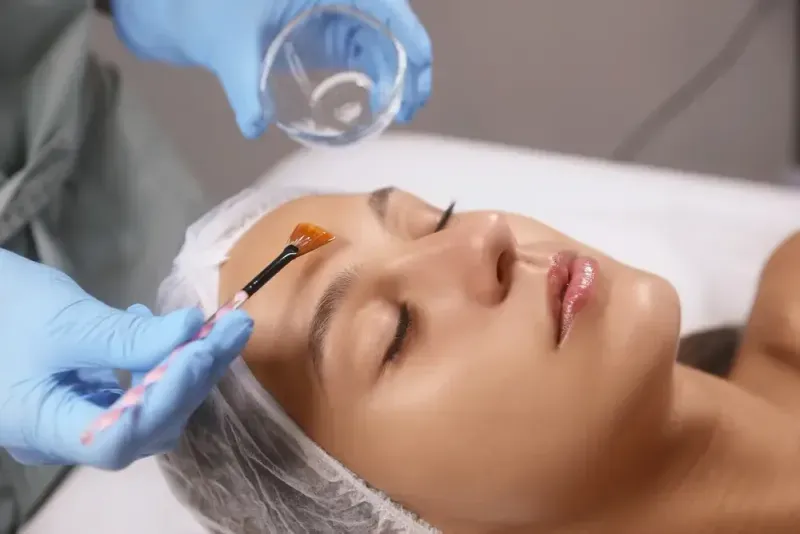
A chemical peel works by applying a controlled solution to the skin that encourages the removal of damaged outer layers. This process does not interrupt the natural cycle but instead enhances and accelerates it.
Exfoliation and Controlled Skin Renewal
One of the primary ways a chemical peel supports regeneration is through controlled exfoliation. Instead of relying on natural shedding alone, the peel gently dissolves the bonds holding dead skin cells together. This allows the outer layer to shed more efficiently, revealing newer skin underneath.This controlled exfoliation signals the body to begin repairing and replacing cells at a faster rate, effectively resetting the skin’s surface renewal process.
Triggering Cellular Turnover
Chemical peels act as a biological trigger that encourages the skin to accelerate cellular turnover. When the outer layer is removed, the skin responds as if it has experienced a minor, controlled injury. This response stimulates deeper layers to produce fresh cells more rapidly.As a result, the regeneration cycle becomes more active, helping the skin maintain a smoother and more refined appearance over time.
Stimulation of Collagen and Elastin Production
Beyond surface renewal, chemical peels also influence deeper structural layers of the skin. This is where collagen and elastin production becomes highly significant.
Dermal Signaling and Repair Response
When the skin experiences controlled exfoliation, it sends signals to the dermis—the deeper layer responsible for firmness and elasticity. These signals activate fibroblasts, the cells responsible for producing collagen and elastin.Collagen helps maintain skin structure, while elastin ensures flexibility and bounce. As production increases, the skin gradually becomes firmer, more resilient, and better equipped to support continuous regeneration cycles.This deeper stimulation is one of the key reasons chemical peels are considered effective for long-term skin improvement rather than just surface-level changes.
Removal of Dead Skin Cells and Surface Impurities
Another important role of chemical peels is the effective removal of accumulated dead skin cells and surface impurities.
Clearing the Barrier for Healthier Growth
When dead skin cells build up, they form a barrier that prevents fresh cells from reaching the surface properly. This barrier can also trap oil, dirt, and pollutants, contributing to breakouts and dullness.By clearing this buildup, chemical peels allow the skin to breathe and function more efficiently. This creates an environment where new cells can emerge smoothly, supporting a more consistent regeneration cycle.The result is a clearer, more radiant skin surface that reflects the skin’s natural renewal process in a healthier way.
Long-Term Benefits for Skin Health
Chemical peels do more than just provide immediate visible improvement. Their real value lies in how they support ongoing skin health over time.
Texture, Tone, and Clarity Improvements
With regular support of the skin’s regeneration cycle, the texture becomes smoother and more refined. Uneven pigmentation begins to fade as new cells replace older, damaged ones. Over time, the skin tone appears more balanced and naturally luminous.This improvement is closely tied to how effectively the skin can maintain its natural renewal rhythm after treatment.
Supporting Consistent Regeneration
Perhaps the most important benefit is the long-term support of consistent cell turnover. When the skin is regularly encouraged to regenerate efficiently, it becomes more resistant to dullness, congestion, and uneven texture.This ongoing balance helps the skin maintain a healthier appearance even in the presence of environmental stressors such as sun exposure, pollution, and lifestyle factors.
Different Levels of Peels and Their Role
Not all chemical peels work the same way. They vary in intensity and depth, which determines how they interact with the skin’s regeneration cycle.
Light Peels and Surface Renewal
Light peels focus primarily on the outermost layer of the skin. They gently remove dead cells and stimulate mild exfoliation, making them suitable for maintaining regular skin renewal. These peels help keep the regeneration cycle active without significant downtime.
Medium Peels and Deeper Stimulation
Medium-depth peels penetrate further into the skin layers, creating a stronger regenerative response. They encourage more noticeable collagen stimulation and deeper exfoliation, which can significantly enhance the skin’s renewal process over time.Both types work with the skin’s natural biology but differ in intensity and depth of impact.
How to Support Skin Regeneration After a Peel
After undergoing a chemical peel, the skin enters a heightened state of regeneration. Supporting this phase is essential for achieving optimal results.
Hydration, Sun Protection, and Gentle Care
Keeping the skin well-hydrated is crucial, as water supports cell function and repair. Proper hydration helps new cells develop more effectively and maintains skin barrier strength.Sun protection is also important, as newly regenerated skin is more sensitive to UV exposure. Gentle skincare practices ensure that the renewal process continues smoothly without disruption.Avoiding harsh products and allowing the skin time to recover ensures that the regeneration cycle remains balanced and effective.
Conclusion
The skin’s natural regeneration cycle is a continuous process that determines how fresh, smooth, and healthy the complexion appears. When this cycle slows down, the skin begins to lose its natural radiance. Chemical peels work in harmony with this biological rhythm by accelerating exfoliation, stimulating cellular turnover, and encouraging deeper structural repair.By supporting collagen production, removing dead skin buildup, and enhancing overall renewal efficiency, chemical peels help restore balance to the skin’s natural cycle. The result is not just immediate improvement but a long-term enhancement of skin health, clarity, and vitality.