How Is PRP Hair Treatment Used in Hair Care Plans?
Hair loss and thinning have become increasingly common concerns influenced by lifestyle, genetics, stress, and environmental factors. Among modern regenerative approaches, platelet-rich plasma therapy has gained attention for its supportive role in hair restoration strategies. Many people exploring non-surgical solutions often search for the Best PRP Hair Treatment in Dubai, especially when looking to understand how it fits into structured hair care plans designed to improve scalp health and hair density over time.Rather than being a standalone fix, PRP is typically integrated into a broader, personalized hair care routine. This makes it an evolving part of long-term scalp maintenance rather than a one-time intervention.
Understanding PRP in Hair Care Plans
PRP, or platelet-rich plasma therapy, is based on using concentrated platelets derived from a person’s own blood. These platelets are rich in growth factors that support natural tissue repair and regeneration.When included in hair care plans, PRP is not treated as a quick remedy. Instead, it is positioned as a biological support system that helps stimulate inactive hair follicles and improves the overall condition of the scalp.
Why PRP Fits into Structured Hair Care
PRP works best when combined with a consistent care strategy because:
- Hair growth cycles require time and repetition
- Scalp health depends on ongoing maintenance
- Results improve gradually with multiple sessions
- It complements other non-invasive hair care practices
This is why PRP is often scheduled as part of a series rather than a single treatment.
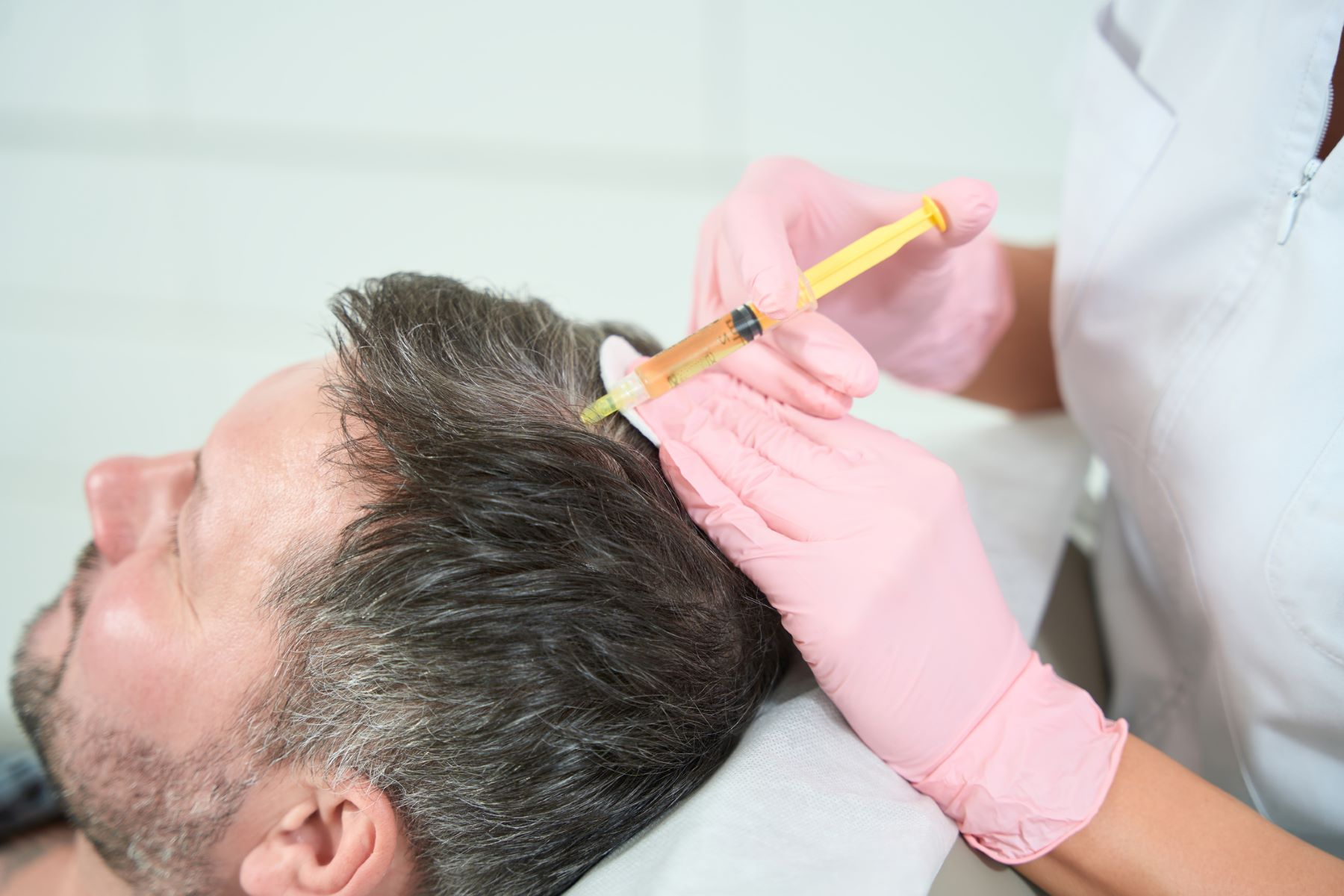
How PRP Is Integrated into Hair Care Plans
A structured hair care plan involving PRP usually follows a phased approach. Instead of focusing on immediate transformation, it emphasizes progressive improvement.
Step 1: Scalp Assessment and Planning
Before PRP becomes part of a routine, the scalp condition is typically evaluated. This helps determine:
- Degree of hair thinning
- Areas with weaker follicle activity
- Overall scalp health and hydration level
- Suitability for regenerative stimulation
This stage ensures PRP is aligned with realistic expectations and targeted goals.
Step 2: Initial PRP Sessions
The early phase often involves multiple sessions spaced over several weeks. This is important because hair follicles respond gradually to stimulation.During this phase:
- Growth factors begin activating dormant follicles
- Blood circulation in the scalp improves
- Hair strands may start to appear thicker over time
Consistency is key, as early results are subtle and cumulative.
Step 3: Maintenance Phase
After the initial sessions, PRP is usually shifted into a maintenance schedule. This phase is essential to preserve and enhance results.Maintenance helps:
- Sustain follicle stimulation
- Prevent regression of progress
- Support long-term hair density improvement
The Role of PRP in Hair Growth Cycles
Hair grows in cycles: anagen (growth), catagen (transition), and telogen (resting). PRP influences the anagen phase, encouraging follicles to remain active longer.\text{Hair Growth Cycle: Anagen (Growth) \rightarrow Catagen (Transition) \rightarrow Telogen (Rest)}}By supporting the growth phase, PRP helps:
- Extend active hair growth periods
- Reduce premature shedding
- Improve follicle productivity over time
This biological support is why PRP is often included in long-term hair care planning rather than short-term treatments.
Who Benefits from PRP in Hair Care Plans?
PRP is not limited to a single type of hair concern. It is commonly included in plans for individuals experiencing different levels of hair weakening or thinning.
Common Candidates Include:
- Individuals noticing early hair thinning
- People experiencing gradual hair density reduction
- Those with weakened or slow-growing hair strands
- Individuals seeking non-invasive hair restoration support
The key factor is that PRP works best when follicles are still active, even if weakened.
Expected Progress in a PRP-Based Hair Care Plan
One of the most important aspects of PRP is managing expectations. Since it works biologically, results are not instant but develop over time.
Early Phase (First Few Weeks)
- Slight reduction in shedding
- Improved scalp texture
- Subtle strengthening of hair strands
Middle Phase (1–3 Months)
- Noticeable reduction in thinning areas
- Improved hair thickness
- Better scalp coverage in treated regions
Long-Term Phase (3–6 Months and Beyond)
- More consistent hair density
- Stronger hair regrowth patterns
- Improved overall scalp vitality
Consistency and adherence to the care plan significantly influence outcomes.
Supporting PRP with a Complete Hair Care Routine
PRP is most effective when combined with supportive hair care habits. It is rarely used in isolation within structured plans.
Common Support Strategies Include:
- Gentle scalp cleansing routines
- Nutrient-rich hair care practices
- Stress management techniques
- Avoidance of excessive heat or chemical damage
These habits help maintain scalp health and enhance PRP effectiveness over time.
Common Misunderstandings About PRP in Hair Care
Despite its popularity, PRP is often misunderstood. Clearing misconceptions helps set realistic expectations.
Myth 1: PRP Works Instantly
In reality, PRP requires time and multiple sessions to show visible improvement.
Myth 2: PRP Alone Solves All Hair Problems
PRP supports hair growth but works best as part of a broader hair care strategy.
Myth 3: Results Are Permanent Without Maintenance
Like most biological treatments, ongoing care is needed to sustain results.
The Importance of Consistency in PRP Hair Care Plans
Consistency is one of the strongest factors influencing success with PRP-based hair care. Irregular sessions or incomplete plans may reduce effectiveness.A well-structured plan ensures:
- Steady follicle stimulation
- Continuous improvement in hair quality
- Long-term maintenance of results
Hair regeneration is a gradual process, and PRP works best when integrated into a disciplined routine.
Final Thoughts
PRP has become an important component of modern hair care planning due to its natural regenerative approach and ability to support follicle activity over time. It is not a quick fix but a gradual enhancement method that works best within structured routines. When properly integrated, it contributes to improved hair density, stronger strands, and better scalp health.For individuals exploring advanced non-surgical hair restoration approaches, understanding how PRP fits into a complete hair care plan is essential. It is this structured, long-term approach that makes PRP a valuable option in modern hair wellness strategies