Is Cosmelan Peel Safe for All Skin Types?
The popularity of depigmentation treatments has grown rapidly, especially among people looking for effective solutions for uneven skin tone and stubborn pigmentation. One such treatment often discussed in aesthetic skincare is the Cosmelan Peel in Dubai, which is widely known for targeting discoloration and improving overall skin clarity. But despite its growing reputation, one important question remains: is it truly safe for all skin types?To answer this properly, it’s essential to understand how the treatment works, how different skin types react to it, and what factors influence safety and results. While Cosmelan is generally designed to be suitable for a wide range of skin tones, individual skin sensitivity and proper aftercare play a major role in determining outcomes.
Understanding the Cosmelan Peel
What Makes It Different from Other Peels?
Cosmelan is a professional depigmentation system designed to reduce melanin production in the skin. Unlike traditional chemical peels that mainly exfoliate the outer layer, this treatment works at a deeper level by regulating the enzyme responsible for pigmentation.It is commonly used for concerns such as:
- Melasma
- Sunspots and age spots
- Post-inflammatory hyperpigmentation
- Uneven skin tone
The process typically involves two phases: an initial in-clinic application followed by a maintenance routine at home. This dual approach helps prolong results and control pigmentation over time.
Why Skin Type Matters
Skin type is one of the most important factors in any cosmetic procedure. The Fitzpatrick skin type scale, which classifies skin from very fair to very deep tones, is often used to assess suitability for pigmentation treatments. Since Cosmelan affects melanin activity, understanding how each skin type responds is key to determining safety.
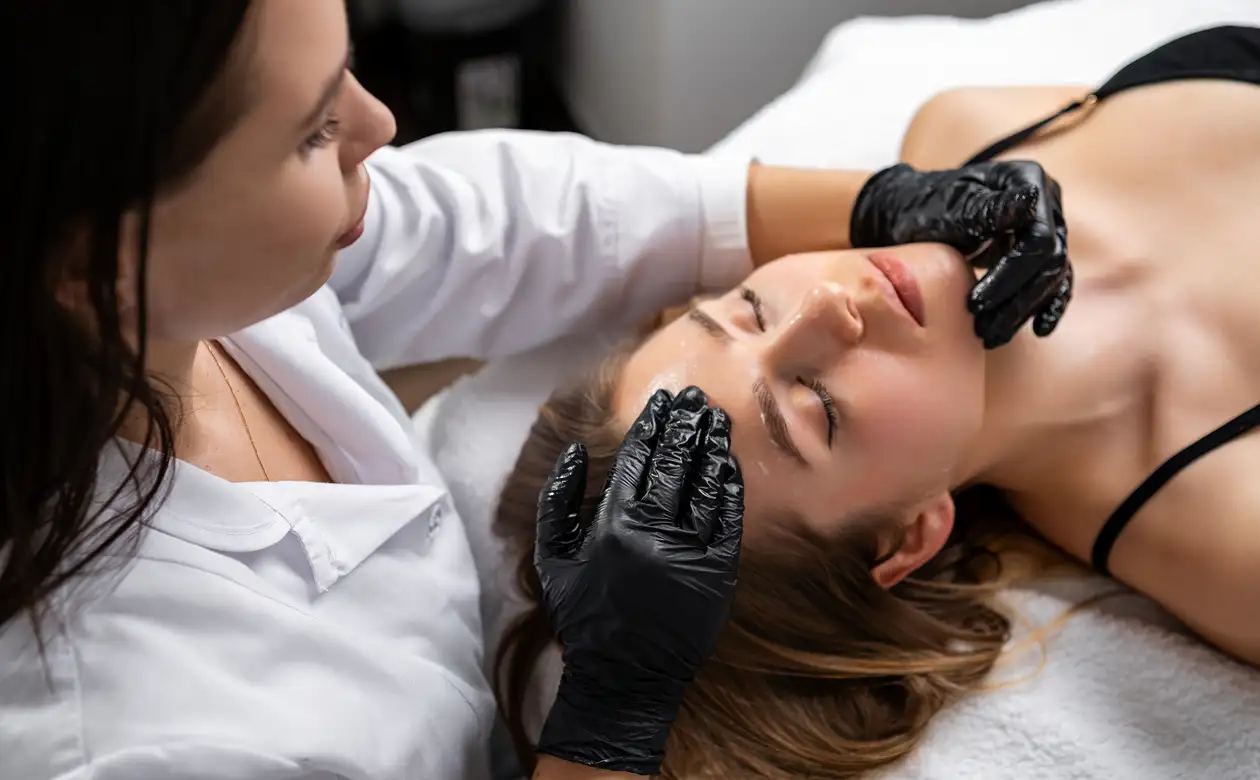
Is Cosmelan Peel Safe for Different Skin Types?
Fair Skin (Type I–II)
Individuals with lighter skin tones generally tolerate depigmentation treatments well. Their melanin response is lower, which reduces the risk of post-treatment pigmentation complications. However, they may still experience temporary redness, peeling, and sensitivity during the initial phase.For fair skin, Cosmelan is usually considered safe when properly applied and followed by appropriate skincare support. Sun protection remains essential to prevent new pigmentation from forming.
Medium Skin (Type III–IV)
Medium skin tones often benefit significantly from Cosmelan because they are more prone to uneven pigmentation caused by sun exposure or inflammation. However, this group also carries a slightly higher risk of post-inflammatory hyperpigmentation if the skin becomes irritated.To maintain safety:
- Gradual recovery is important
- Hydration and barrier repair are essential
- Strict sun protection must be followed
When properly managed, medium skin tones tend to achieve very noticeable improvements in clarity and tone.
Deep Skin (Type V–VI)
Darker skin tones require more caution when undergoing any pigmentation treatment due to higher melanin activity. While Cosmelan is still widely used on deeper skin, the risk of irritation or temporary pigmentation shifts is more pronounced if not managed correctly.Key considerations include:
- Slower skin recovery time
- Increased sensitivity during the peeling phase
- Strong need for gentle aftercare
However, with proper supervision and adherence to skincare guidelines, many individuals with deeper skin tones experience significant improvement in hyperpigmentation.
Factors That Influence Safety and Results
1. Skin Sensitivity
Even within the same skin type, sensitivity levels vary. Sensitive skin may react more strongly to active ingredients, leading to temporary redness or discomfort. Patch testing is often recommended before full application.
2. Pre-Treatment Skin Condition
The condition of the skin before treatment plays a crucial role. Skin that is already inflamed, irritated, or sun-damaged may require preparation before undergoing Cosmelan.
3. Post-Treatment Care
Aftercare is one of the most important aspects of safety. Without proper care, the skin may become more vulnerable to irritation or uneven results. Essential aftercare includes:
- Gentle cleansing routines
- Daily sunscreen use
- Avoiding harsh exfoliants
- Keeping skin well moisturized
4. Sun Exposure
Sun exposure is one of the biggest risks after any depigmentation treatment. UV rays can trigger melanin production again, potentially reversing results. Consistent sun protection is essential for maintaining safety and effectiveness.
Common Reactions After Cosmelan Treatment
Temporary Side Effects
Most users experience mild and temporary reactions after treatment, such as:
- Redness
- Peeling or flaking
- Tightness or dryness
- Mild itching or sensitivity
These effects are generally part of the skin renewal process and tend to subside within a few days to weeks.
When to Be Cautious
While rare, stronger reactions can occur if the skin is highly sensitive or aftercare instructions are not followed. These may include prolonged irritation or uneven pigmentation changes. Monitoring skin response during the first few days is important for safety.
Benefits Across Skin Types
Despite differences in sensitivity, Cosmelan offers benefits across various skin types when used correctly. These include:
- Reduction in stubborn pigmentation
- More even skin tone
- Improved skin brightness
- Long-term melanin regulation
One of the reasons it is widely discussed in skincare is its ability to address pigmentation at its source rather than only treating surface symptoms.
Who Should Be Extra Careful?
While Cosmelan is generally versatile, certain individuals should approach it with caution:
- Those with highly reactive or compromised skin barriers
- Individuals with active skin infections or inflammation
- People with a history of strong pigmentation rebound
In such cases, a more gradual or alternative approach may be recommended to ensure skin safety.
How to Maximize Safety and Effectiveness
To get the best and safest results from Cosmelan, consistency and patience are essential. The skin needs time to adjust and regenerate, and results are typically gradual rather than immediate.Best practices include:
- Following aftercare instructions carefully
- Avoiding direct sun exposure
- Using calming and hydrating skincare products
- Avoiding unnecessary exfoliation during recovery
Long-term success depends heavily on how well the skin is supported after the initial treatment phase.
Final Thoughts
Cosmelan is widely recognized as an effective solution for pigmentation concerns, but its safety depends on individual skin type, sensitivity, and proper care. While it is generally suitable for most skin types, deeper tones and sensitive skin require extra attention and careful management.When used responsibly and supported with consistent aftercare, it can be a powerful option for achieving clearer, more even-toned skin. Understanding your skin’s needs is the key to ensuring both safety and long-lasting results.