Is PRP Hair Treatment Better Than Minoxidil?
Hair loss is a concern that affects millions of people worldwide, leading many to search for effective and lasting solutions. Among the most discussed options today are Platelet-Rich Plasma (PRP) therapy and Minoxidil. If you’ve been researching prp hair treatment dubai, you’ve likely come across claims that it’s a revolutionary approach compared to traditional topical treatments. But is it truly better than Minoxidil? Let’s explore both options in depth to help you make an informed decision.
Understanding Hair Loss Treatments
Before comparing PRP and Minoxidil, it’s essential to understand how hair loss treatments work. Most therapies aim to either slow down hair thinning, stimulate dormant follicles, or promote new hair growth. However, not all treatments function the same way, and their effectiveness often depends on the underlying cause of hair loss.
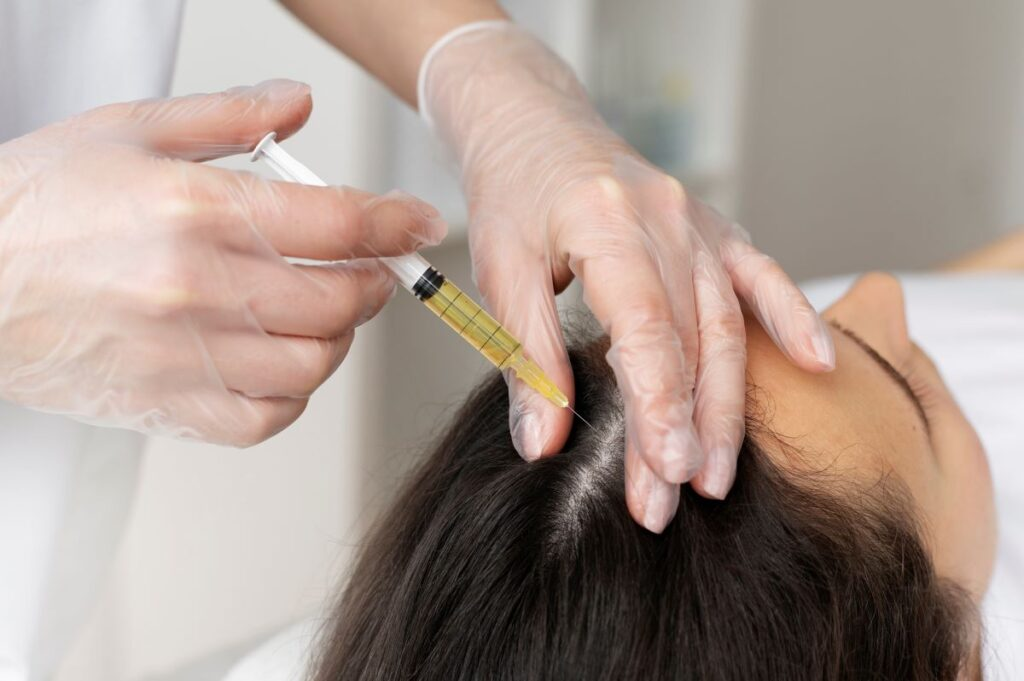
What Is PRP Hair Treatment?
PRP (Platelet-Rich Plasma) therapy is a non-surgical procedure that uses your body’s own healing properties to stimulate hair growth. A small amount of blood is drawn, processed to concentrate platelets, and then injected into the scalp.
How PRP Works
- Platelets contain growth factors that help repair damaged tissues
- When injected into the scalp, they stimulate inactive hair follicles
- This encourages thicker, healthier hair growth over time
Benefits of PRP Hair Treatment
Natural Approach
PRP uses your own blood, reducing the risk of allergic reactions or harsh side effects.
Targets Root Causes
Instead of just maintaining existing hair, PRP works at a cellular level to rejuvenate follicles.
Improves Hair Thickness
Many users notice not just regrowth but also improved density and texture.
What Is Minoxidil?
Minoxidil is a widely used topical solution applied directly to the scalp. It’s often available over the counter and is one of the most common treatments for hair loss.
How Minoxidil Works
- It increases blood flow to hair follicles
- Prolongs the growth phase of hair
- Helps slow down hair thinning
Benefits of Minoxidil
Easy to Use
It can be applied at home without any procedures.
Clinically Studied
Minoxidil has been researched for decades and has a well-established track record.
Affordable and Accessible
It’s readily available and does not require specialized equipment.
PRP vs. Minoxidil: Key Differences
Treatment Method
PRP involves injections and is typically performed in sessions, while Minoxidil is a daily topical application. This means PRP is more intensive but less frequent, whereas Minoxidil requires consistent daily commitment.
Effectiveness
PRP is often considered more advanced because it stimulates natural hair growth at the follicular level. Minoxidil mainly helps maintain existing hair and slows down hair loss rather than regenerating follicles.
Results Timeline
- PRP: Results may begin to appear after a few sessions, with continued improvement over months
- Minoxidil: Results typically take several months and require ongoing use to maintain
Longevity of Results
PRP results can last longer with maintenance sessions, while stopping Minoxidil usually leads to a reversal of progress.
Which One Is Better for Hair Growth?
The answer isn’t as simple as choosing one over the other—it depends on your goals and condition.
When PRP May Be Better
- You want a more natural, regenerative treatment
- You are experiencing early to moderate hair thinning
- You prefer long-term improvement over temporary maintenance
When Minoxidil May Be Better
- You want a convenient, at-home solution
- You are looking for a budget-friendly option
- You are willing to commit to daily application
Can PRP and Minoxidil Be Used Together?
Interestingly, many people combine both treatments for enhanced results. PRP can stimulate new growth, while Minoxidil helps maintain and support that growth. This combination approach is often recommended for individuals seeking more noticeable improvements.
Potential Side Effects
PRP Side Effects
- Mild scalp discomfort
- Temporary redness or swelling
- Minimal downtime
Because it uses your own blood, serious complications are rare.
Minoxidil Side Effects
- Scalp irritation or dryness
- Itching or flaking
- Temporary shedding during initial use
Some users may find these effects bothersome with long-term use.
Maintenance and Commitment
PRP Maintenance
PRP requires multiple sessions initially, followed by periodic maintenance treatments. While it involves clinic visits, the frequency is relatively low compared to daily treatments.
Minoxidil Maintenance
Minoxidil demands consistency. Missing applications can reduce effectiveness, and stopping entirely often leads to hair loss resuming.
Cost vs. Value Perspective
While PRP may seem like a bigger commitment upfront, many consider it a long-term investment in hair health. Minoxidil, on the other hand, spreads its cost over time but requires continuous use indefinitely.
Final Verdict: PRP or Minoxidil?
PRP hair treatment and Minoxidil serve different purposes, and labeling one as universally “better” isn’t entirely accurate. PRP stands out for its regenerative, long-term approach, while Minoxidil remains a reliable and accessible option for maintaining hair growth.If you’re looking for a more advanced solution that works at the root level, PRP may be the better choice. However, if convenience and affordability are your priorities, Minoxidil still holds strong value.
Conclusion
Choosing between PRP and Minoxidil ultimately comes down to your lifestyle, expectations, and hair loss stage. Both treatments have their strengths, and in many cases, combining them may yield the best results. By understanding how each option works, you can take a more informed step toward restoring healthier, fuller hair.