What Tests Before Palate Repair Surgery?
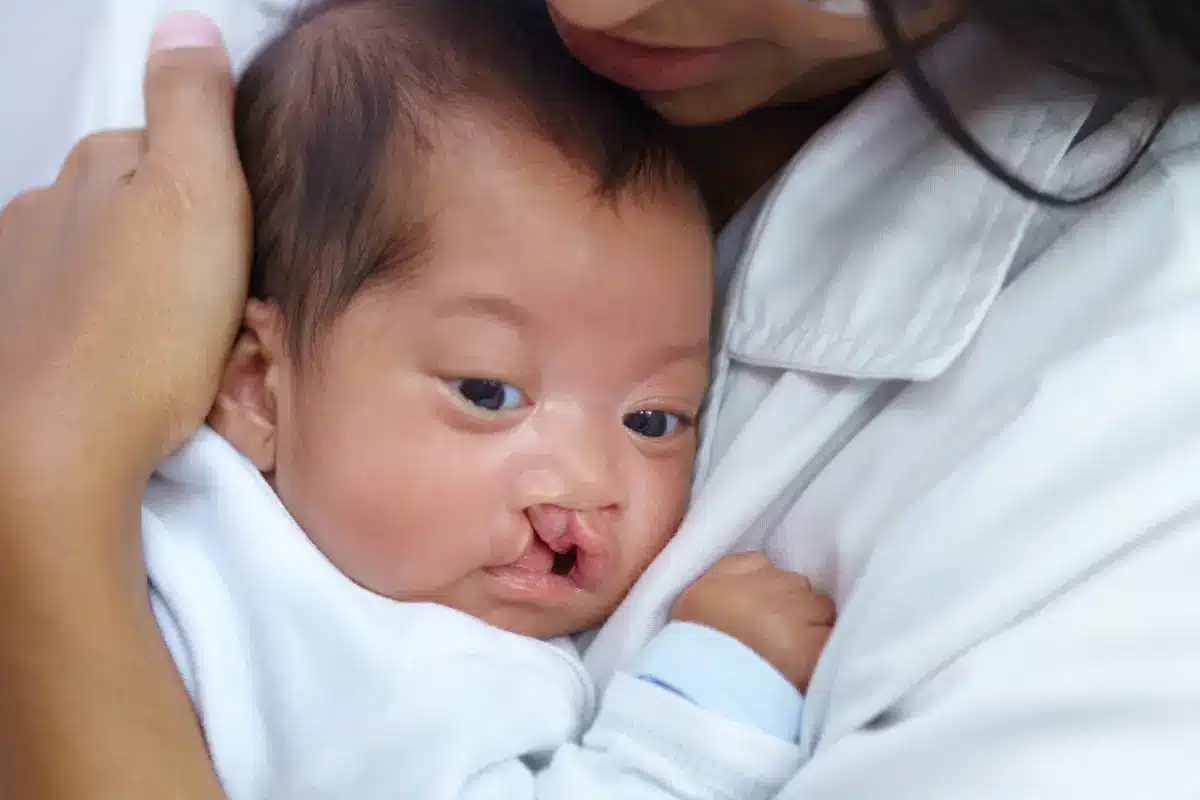
Palate repair surgery is an important procedure used to correct conditions such as cleft palate or other structural abnormalities in the roof of the mouth. Before undergoing this surgery, a series of medical tests and evaluations are required to ensure safety, improve surgical outcomes, and minimize risks. For patients considering Palate Repair Surgery in Dubai, understanding these pre-surgical assessments can help them feel more prepared and confident about the journey ahead.
Why Pre-Surgery Tests Are Important
Before any surgical procedure, especially one involving the mouth and airway, thorough testing is essential. In the case of palate repair, these evaluations help specialists understand the patient’s overall health condition and the exact nature of the palate structure.Pre-surgery tests are done to:
- Assess general health and fitness for anesthesia
- Identify any underlying infections or medical conditions
- Evaluate the structure and severity of the palate issue
- Reduce the risk of complications during and after surgery
- Plan the most effective surgical approach
For individuals preparing for Palate Repair Surgery in Dubai, these tests ensure that the procedure is carried out with the highest level of safety and precision.
Common Medical Tests Before Palate Repair Surgery
Several diagnostic tests are typically recommended before proceeding with palate repair surgery. These tests may vary depending on age, medical history, and the severity of the condition.
1. Physical Examination
A detailed physical examination is usually the first step. The specialist examines the mouth, palate, nasal passages, and overall facial structure. This helps determine the extent of the cleft or deformity and whether any additional procedures might be needed.
2. Blood Tests
Blood tests are essential to evaluate the patient’s general health. They may include:
- Complete Blood Count (CBC) to check for infections or anemia
- Blood clotting profile to ensure proper healing after surgery
- Screening for any underlying medical conditions
These tests help ensure that the body is ready to handle surgery and recovery effectively.
3. Imaging Tests
Imaging plays a key role in planning palate repair surgery. Depending on the case, the following may be recommended:
- X-rays of the facial structure
- CT scan for detailed 3D images of the palate and surrounding bones
- In some cases, MRI scans for soft tissue evaluation
These imaging tests allow a clearer understanding of the anatomical structure, which is especially important for Palate Repair Surgery in Dubai, where precision is a top priority.
4. ENT (Ear, Nose, and Throat) Evaluation
Since the palate is closely connected to the nasal and throat structures, an ENT assessment is often required. This evaluation checks for:
- Ear infections or fluid buildup
- Breathing or airway issues
- Speech-related concerns
This step ensures that all related areas are considered before surgery.
5. Speech and Language Assessment
In many cases, especially in children, a speech evaluation is conducted before surgery. This helps assess how the palate condition is affecting speech development and provides a baseline for post-surgery improvement.
6. Dental Examination
A dental check-up is often necessary to evaluate tooth alignment, gum health, and jaw structure. Any dental issues may need to be addressed before or after palate repair surgery for optimal results.
7. Anesthesia Evaluation
Before surgery, an anesthesia specialist reviews the patient’s medical history to ensure they can safely undergo sedation or general anesthesia. This includes checking for allergies, past reactions to anesthesia, and respiratory health.
Preparing for Palate Repair Surgery
Once the required tests are completed, patients are usually given guidelines to prepare for surgery. These may include:
- Following fasting instructions before the procedure
- Avoiding certain medications if advised
- Maintaining oral hygiene to reduce infection risk
- Reporting any recent illness or changes in health condition
Proper preparation plays a key role in ensuring a smooth surgical experience and recovery.
What Happens After the Tests?
After all evaluations are completed, the medical team reviews the results and creates a personalized surgical plan. This plan is tailored to the patient’s specific needs and ensures the best possible outcome for Palate Repair Surgery in Dubai.Patients are usually informed about:
- The expected surgical approach
- Recovery timeline and healing stages
- Post-operative care instructions
- Follow-up schedule for monitoring progress
This structured approach helps patients and families feel more informed and reassured.
Benefits of Proper Pre-Surgical Testing
Undergoing all necessary tests before palate repair surgery offers several important benefits:
- Reduces the risk of surgical complications
- Ensures accurate diagnosis and treatment planning
- Improves healing and recovery outcomes
- Enhances speech and functional results after surgery
- Provides peace of mind for patients and families
These benefits highlight why pre-surgical evaluations are a critical part of the process.
Conclusion
Preparing for palate repair surgery involves more than just scheduling the procedure. A series of important medical tests ensures that the patient is physically ready and that the surgery can be performed safely and effectively. From blood tests and imaging scans to ENT and speech evaluations, each step plays a vital role in successful treatment planning.For anyone considering Palate Repair Surgery in Dubai, understanding these pre-operative tests can make the journey less overwhelming and more structured. With proper evaluation and preparation, patients can look forward to improved function, better speech outcomes, and enhanced quality of life.